
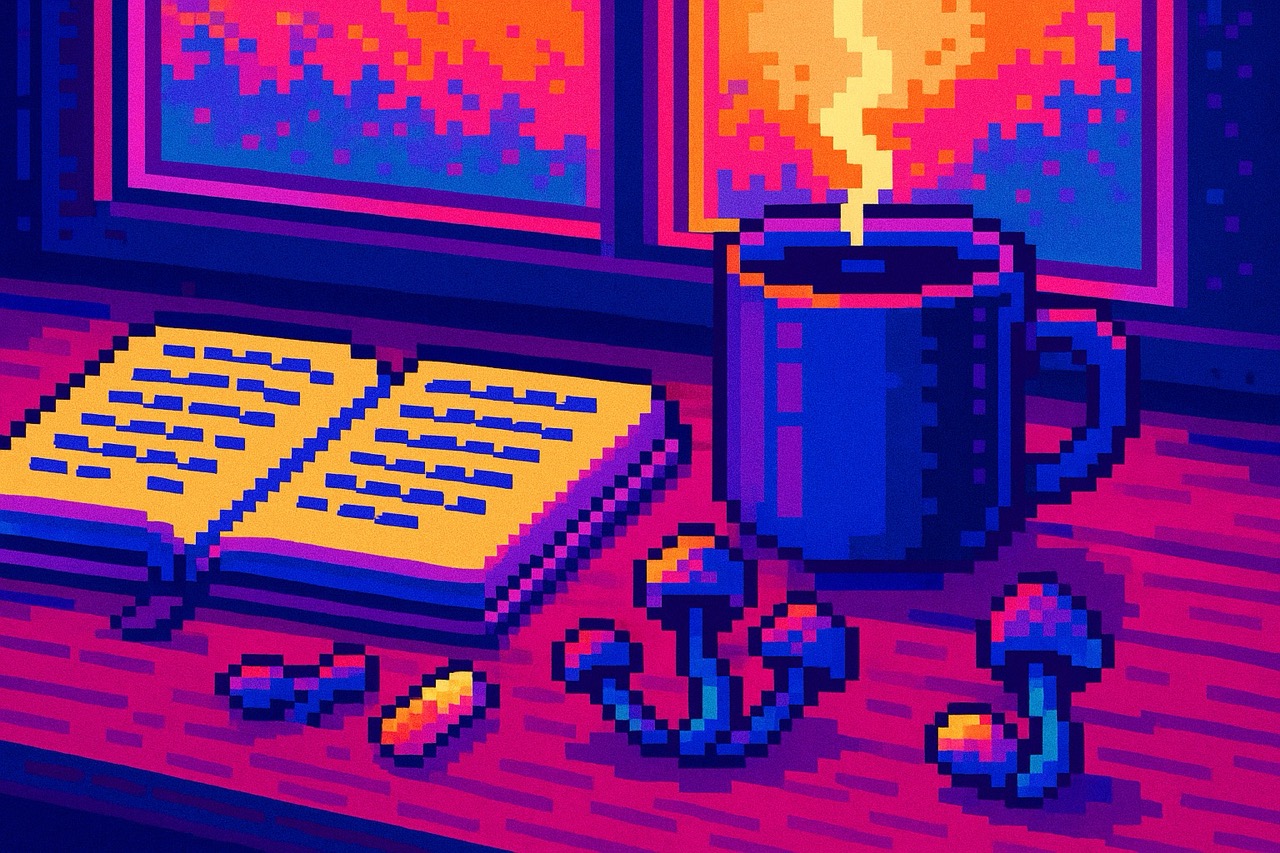
Microdosing, the practice of taking very small, sub-perceptual doses of psychedelics, has grown in popularity for its potential to enhance mental health, creativity, and personal growth without producing a full "trip".
Psilocybin mushrooms, also known as "magic mushrooms," are a common choice for this practice.
This guide provides a user-friendly overview for beginners interested in responsibly exploring microdosing.
What is Microdosing and How Does Psilocybin Work?
Psilocybin is a natural psychedelic compound found in certain mushrooms.
When consumed, the body converts it to psilocin, which interacts with serotonin receptors in the brain to alter mood and perception.
While large doses cause hallucinations, microdosing involves taking a sub-hallucinogenic amount—typically 0.1 to 0.3 grams of dried mushrooms—which is about 5-10% of a standard dose.
The goal is to experience subtle benefits, like improved focus or mood, without impairing your ability to function in daily life.
Psilocybin works primarily by activating the brain's 5-HT2A serotonin receptors, which can alter brain connectivity and promote neuroplasticity—the brain's ability to form new connections.
This may help disrupt negative thought patterns and encourage new perspectives in a gentle way.
Potential Benefits of Microdosing
Anecdotal reports and some preliminary studies suggest a range of potential benefits, including:
-
Improved Mood and Emotional Well-being: Many users report feeling more positive, resilient, and emotionally balanced.
-
Reduced Anxiety and Depression: It has been associated with reductions in stress, depression, and anxiety levels. Some mothers have used it to cope with postpartum depression and parenting stress.
-
Enhanced Focus and Creativity: Microdosing gained popularity in Silicon Valley as a way to boost creativity and enter a "flow state" more easily.
-
Increased Social and Emotional Insight: Users often report feeling more open, empathetic, and connected to others.
It's important to note that scientific evidence is still emerging, and some studies suggest that these effects could be influenced by the placebo effect.
What a Microdose Feels Like
The effects of a proper microdose are subtle.
You should not feel like you are "tripping". Many describe the experience as a "brighter" or more engaged day.
You might notice:
-
A gentle lift in your mood
-
Increased focus and presence
-
Colors or music seeming slightly richer
-
A light, energizing buzz similar to a cup of coffee
The goal is to remain fully functional for daily activities like work and conversations.
Common Dosing Schedules
You should not microdose every day, as this can lead to tolerance. Common schedules include rest days to allow your system to reset.
-
The Fadiman Protocol: This popular regimen involves taking a microdose once every three days (one day on, two days off). This cycle is often followed for 4–8 weeks before taking a longer break.
-
The Stamets Stack: Developed by mycologist Paul Stamets, this protocol involves 4–5 consecutive days of microdosing followed by 2–3 days off. Stamets also recommends "stacking" the psilocybin with Lion's Mane mushroom and Niacin (Vitamin B3) to potentially enhance neuroplasticity, though this is anecdotal.
Many users adapt these protocols or create their own to suit their needs.
Dosage and Preparation
A typical microdose is between 0.1 and 0.3 grams of dried mushrooms.
-
Start Low: It is recommended to begin with a low dose, such as 0.1 grams, and see how you feel before gradually increasing if necessary.
-
Use a Scale: Accurately measuring your dose with a milligram scale is crucial for consistency.
-
Preparation: To ensure uniform potency, it's best to grind a batch of dried mushrooms into a powder. This powder can be put into capsules or mixed with food or a drink.
Possible Negative Effects and Safety Considerations
While generally considered low-risk, microdosing is not without potential downsides.
-
Increased Anxiety or Irritability: A common negative effect is feeling anxious, jittery, or irritable.
-
Physical Discomfort: Some users report headaches, stomach upset, or physical tension like jaw clenching.
-
Insomnia: Dosing too late in the day can sometimes interfere with sleep.
-
Emotional Volatility: Some people may feel more emotional than usual, which can be unwelcome for some.
It's important to start with a very low dose on a day with minimal stress to see how you react.
Avoid driving or operating machinery for your first few doses until you are confident in your response.
Who Should Avoid Microdosing?
Microdosing is not suitable for everyone.
It is strongly advised against for individuals with a personal or family history of psychotic disorders (like schizophrenia) or bipolar I disorder, as psychedelics can potentially trigger mania or psychosis.
Caution is also advised for those taking certain medications, particularly Lithium, as the combination can be dangerous.
Antidepressants like SSRIs may dull the effects of psilocybin.
Microdosing should be avoided during pregnancy and breastfeeding due to a lack of research.
Legal Status
In the United States, psilocybin is a Schedule I controlled substance, making it illegal at the federal level.
However, some cities and states, like Oregon, have decriminalized or legalized it for therapeutic use.
Always check the current laws in your specific location.
Tracking Your Experience
Because the effects are subtle, tracking your experience can help you determine if microdosing is working for you.
-
Keep a Journal: Note your mood, energy, focus, and any other observations on both dose days and off days.
-
Use Rating Scales: Quantify factors like anxiety or creativity on a 1–10 scale to spot patterns over time.
-
Use an App: Tools like ALTERD are designed for journaling and tracking altered states, offering AI-powered insights and an anonymous support community to support you along your journey.
Enhancing the Experience with Wellness Practices
Microdosing is often most effective when combined with other wellness activities.
-
Meditation and Breathwork: These practices can feel deeper and more insightful on a microdose, helping to quiet the mind and enhance present-moment awareness.
-
Yoga and Exercise: A small dose may increase the mind-body connection, making physical activity feel more joyful and fluid.
-
Time in Nature: Spending time outdoors can be a calming and grounding experience that is amplified by a microdose.
Ultimately, microdosing can be a tool for self-exploration and positive change, but it works best when paired with mindful intention and healthy lifestyle habits.
Sources
-
Blossom Analysis: Optimizing Microdosing and Meditation (OMM)
-
Frontiers in Neuroscience: Psilocybin for the treatment of Alzheimer's disease
-
Harvard Health Publishing: The popularity of microdosing of psychedelics
-
Nature - Neuropsychopharmacology: Psychedelic-induced neuroplasticity
-
Nature - Scientific Reports: Psilocybin microdosers demonstrate greater improvements