
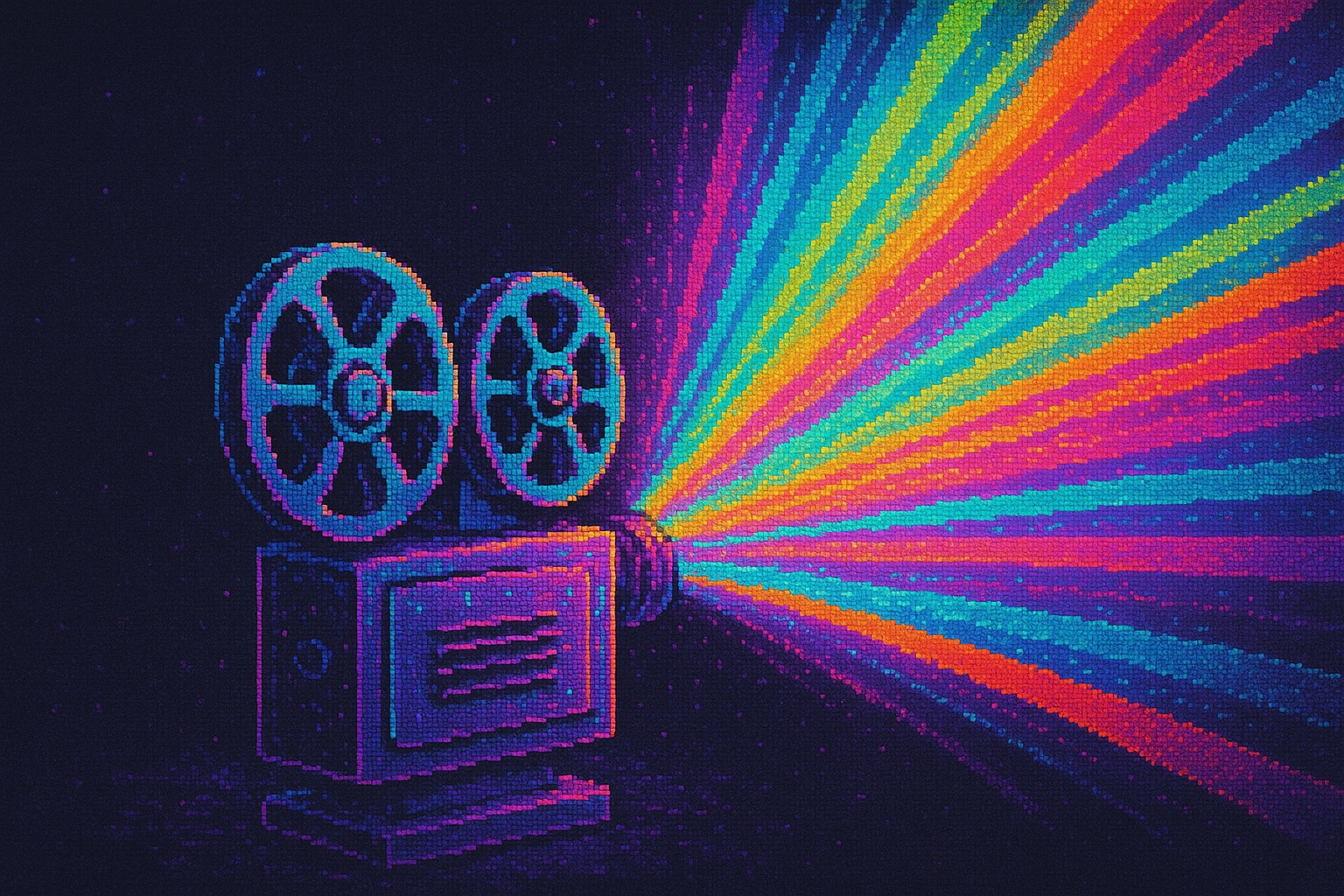
Psychedelic Film: A Cinematic Journey Through the Mind
Psychedelic films are more than just trippy visuals—they're designed to expand your perception and simulate altered states of consciousness. Rooted in the counterculture of the 1960s, this genre emerged as filmmakers began exploring ways to visually represent psychedelic experiences brought on by LSD, meditation, spiritual exploration, and more. Today, the genre has grown beyond its origins, influencing everything from indie arthouse cinema to mainstream blockbusters.
Origins in the 1960s Counterculture
The psychedelic film genre took off during the cultural revolution of the 1960s, when drugs like LSD deeply influenced art, music, and film. Directors began experimenting with kaleidoscopic visuals, nonlinear narratives, surreal imagery, and psychedelic soundtracks to recreate the experience of a drug-induced trip. Films like The Trip (1967) and Yellow Submarine (1968) captured the playful, exploratory mood of the era, blending colorful animation and dreamlike sequences.
Stanley Kubrick's groundbreaking 2001: A Space Odyssey (1968) was pivotal, especially its "Stargate" sequence—a mesmerizing journey through space and time, advertised as "the ultimate trip." Alejandro Jodorowsky’s visionary El Topo (1970) and Kenneth Anger's occult-driven short films further pushed cinematic boundaries, establishing psychedelic cinema as an artistic form meant to alter the viewer's consciousness.
What Makes a Film Psychedelic?
Psychedelic films typically feature:
-
Visual Distortions: Vivid, shifting colors, surreal imagery, and visual effects that mimic hallucinations or dream states.
-
Non-linear Storytelling: Narrative structures that abandon traditional logic, creating a dreamlike flow.
-
Immersive Soundtracks: Soundtracks that enhance the sensory experience, often using hypnotic rhythms or psychedelic rock music.
-
Themes of Consciousness: Explorations of reality, spirituality, and perception.
The goal is not just storytelling, but to evoke a visceral sensory experience, inviting viewers into altered states of awareness.
Contemporary Psychedelic Films & Cultural Impact
After a lull in the 1980s, psychedelic films saw renewed interest from the late '90s onward. Terry Gilliam’s Fear and Loathing in Las Vegas (1998), an adaptation of Hunter S. Thompson’s novel, became iconic for its chaotic visuals and dark humor.
In recent decades, directors like Gaspar Noé and Panos Cosmatos have revived the genre with powerful sensory experiences. Noé’s Enter the Void (2009) explicitly attempts to simulate an out-of-body psychedelic trip, immersing viewers in neon-drenched visuals. Cosmatos’ Mandy (2018) combines intense visuals, surreal storytelling, and heavy-metal aesthetics, creating a hallucinatory revenge fantasy.
Mainstream movies also embrace psychedelic aesthetics: Marvel’s Doctor Strange (2016) and Christopher Nolan’s Inception (2010) feature sequences directly inspired by classic psychedelic cinema, demonstrating the genre’s broader cultural acceptance.
Film Recommendations for Different Experiences
Here’s a film guide, ranging from gentle explorations to intense visionary experiences, each with ten compelling movie suggestions:
Gentle Journeys:
Perfect introductions to psychedelic aesthetics without overwhelming intensity.
-
Yellow Submarine (1968) – Whimsical Beatles animation.
-
Fantastic Planet (1973) – Meditative animated sci-fi allegory.
-
Waking Life (2001) – Dreamlike philosophical animation.
-
Spirited Away (2001) – Magical, imaginative journey.
-
The Secret of Kells (2009) – Beautifully animated folklore tale.
-
The Beatles' Magical Mystery Tour (1967) – Musical, visually playful adventure.
-
Alice in Wonderland (1951) – Disney’s surreal classic.
-
Paprika (2006) – Japanese anime exploring dreams and reality.
-
The Little Prince (2015) – Dreamy, emotional adaptation of the beloved book.
-
Coraline (2009) – Visually rich stop-motion fantasy.
Moderate Mind-Benders:
Films that significantly challenge perception without full sensory overload.
-
2001: A Space Odyssey (1968) – Iconic cosmic journey.
-
Fear and Loathing in Las Vegas (1998) – Wild hallucinations and dark comedy.
-
Beyond the Black Rainbow (2010) – Hypnotic retro-futuristic thriller.
-
Annihilation (2018) – Visually surreal sci-fi mystery.
-
A Scanner Darkly (2006) – Animated rotoscoped dystopian tale.
-
The Fountain (2006) – Mind-bending, spiritual drama.
-
The Holy Mountain (1973) – Surreal symbolic exploration.
-
Brazil (1985) – Surreal dystopian satire from Terry Gilliam.
-
Inception (2010) – Layered exploration of dreams and reality.
-
The Congress (2013) – Blending animation and live-action in a reality-warping narrative.
Intense Visionary Trips:
Films for viewers ready for immersive, challenging sensory experiences.
-
Enter the Void (2009) – Neon-lit, immersive journey into the afterlife.
-
Mandy (2018) – Psychedelic revenge thriller.
-
Climax (2018) – Frenzied, nightmarish depiction of a collective bad trip.
-
El Topo (1970) – Mystical, surrealist Western by Jodorowsky.
-
Requiem for a Dream (2000) – Harrowing depiction of drug-induced psychological breakdown.
-
Antichrist (2009) – Intense visual symbolism and psychological horror.
-
Suspiria (1977 & 2018) – Hallucinogenic horror classic (and its remake).
-
The Cell (2000) – Dark, surreal exploration of subconscious imagery.
-
Mother! (2017) – Chaotic, symbolic psychological horror.
-
Tetsuo: The Iron Man (1989) – Frenetic, surrealist cyberpunk horror.
Cultural Relevance and ALTERD's Mission
These films align perfectly with ALTERD’s mission of exploring altered states of consciousness for personal growth and reflection. Just like psychedelic cinema immerses you visually and emotionally, ALTERD’s AI-driven journaling provides an introspective journey, helping you distill and share insights inspired by these powerful experiences.
Dive into these films and afterward, consider journaling about your reflections:
-
Which scenes triggered the strongest emotional response, and why?
-
Did any visual experiences change your perception of reality?
-
How did the film’s approach to consciousness align or conflict with your own experiences of altered states?
Happy exploring, and may your cinematic journeys enrich your inner growth.